Materials guide
Granite
Granite is a natural igneous rock of volcanic origin, formed as magma cooled slowly deep in the Earth's crust. It is one of the most widespread and hardest types of natural stone. Granite consists mainly of feldspars, quartz and various coloured minerals, which determine its unique colour and pattern. Granite can be red, pink, grey or white with dark mineral grains, and sometimes small quartz crystals are visible in the stone.
Granite has a massive, granular and comparatively even texture, yet every granite slab is unique. The material absorbs very little water or other liquid and is highly resistant to frost, weathering, temperature swings and all kinds of weather. It is fireproof, resistant to scratches, impacts, heavy loads and abrasion, and easy to look after. These properties make granite an excellent fit for both interior and exterior work, and it is particularly well suited to Latvia's changeable climate.
Granite is easy to cut, shape, machine, grind and polish, so it can be made into thin or thick high-strength surfaces and constructions of various forms. Granite slabs can be up to 3.40 m long, so even long worktops can often be made without a seam. When choosing granite it is worth viewing the whole slab rather than deciding from a small sample: in a small sample the veining and mineral pattern may cover only a fraction of the slab, and the rest of it can look quite different.
Several varieties of granite are distinguished, including normal granite, plagiogranite and alkaline granite. The minerals in the stone determine not only its colour and visual pattern but also various physical properties of the material.
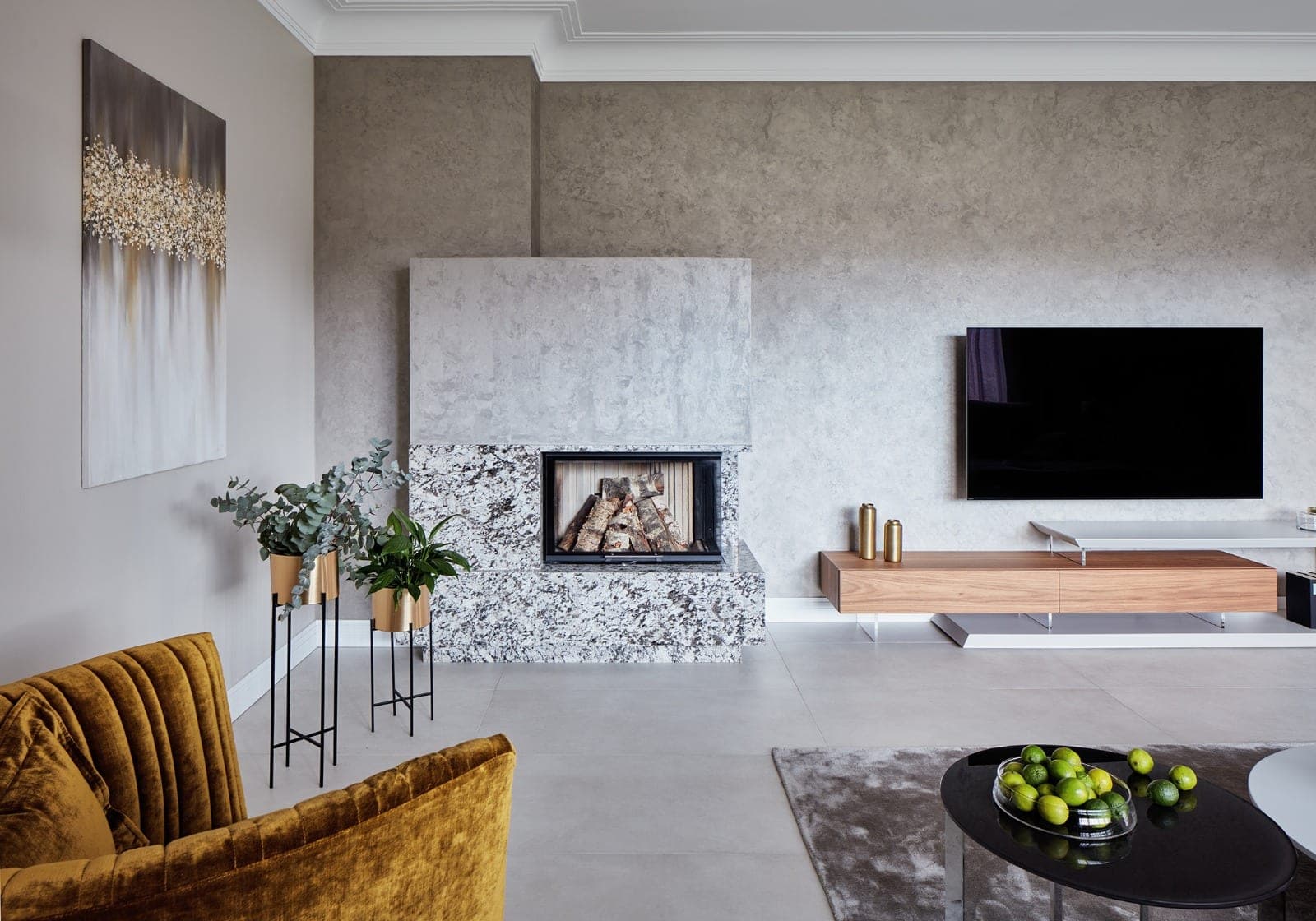
The natural granite used by VIA Akmens apstrāde is sourced from Italy, India, Brazil, China and other countries around the world. Following each client's individual wishes, the company makes a wide range of granite products and constructions, including granite kitchen and bathroom surfaces, bar counters, window sills, walls, façades, stairs, columns, slabs, mosaic tiles and fountains. Granite paving stones and kerbs in various colours are also available, as are granite posts and several styles of refined granite fireplace surrounds.
Thanks to granite's durability, longevity, easy care and wide fabrication possibilities, it is a dependable and handsome material for private, public and commercial projects alike — from kitchen worktops and window sills to façades, stairs and outdoor work.
In the catalogue
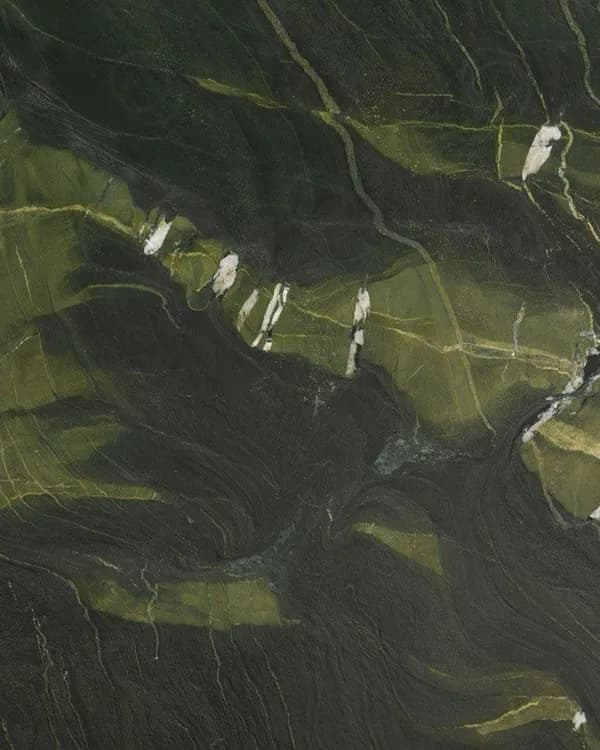
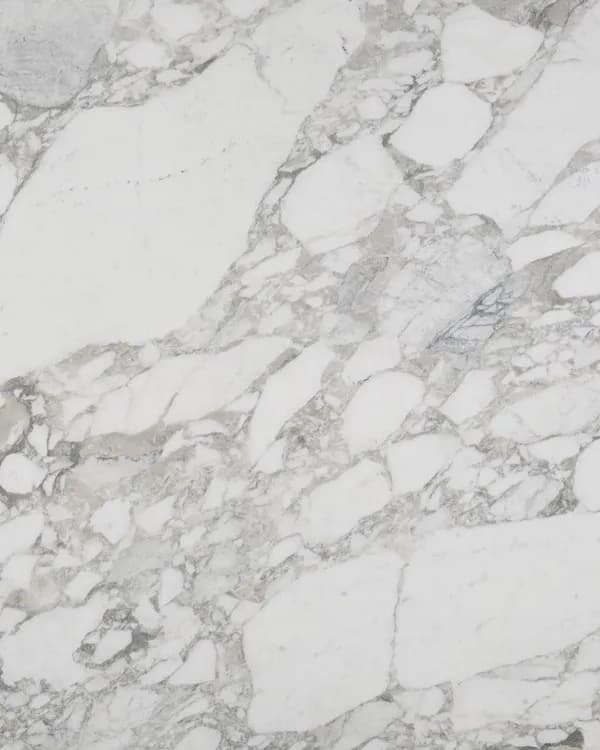
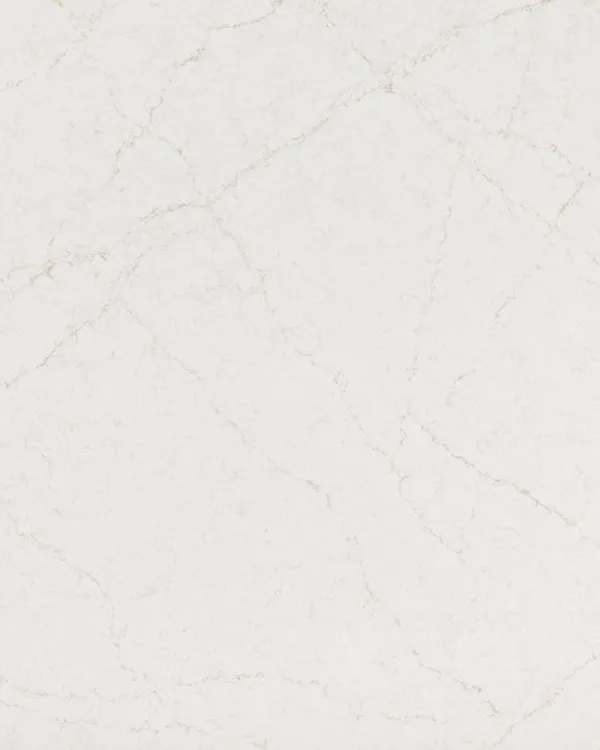
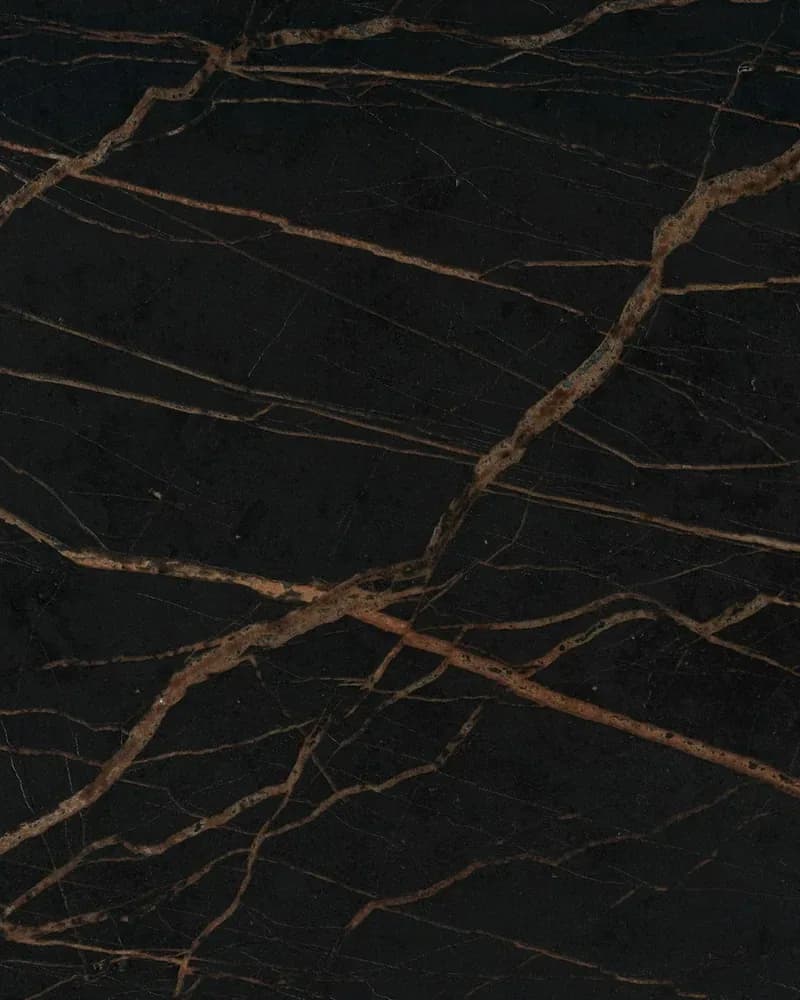
Granite in our catalogue
Open a slab to see it up close — thicknesses, finishes and price.
0105
At a glance
Benefits and drawbacks
Benefits
High heat resistance
Granite tolerates high temperatures well, so in everyday use hot pots and pans can be set straight on the surface. Even so, sharp and repeated temperature changes in one and the same spot are not recommended for any stone, however tough.
Excellent scratch resistance
Granite's dense, hard structure gives it very good mechanical durability. Everyday kitchen work, dishes and normal use do not noticeably wear the surface, which makes granite especially well suited to intensively used worktops.
No two stones are alike
Granite is a natural material, and its pattern is formed by minerals that crystallised in different ways as the stone formed. Every slab therefore has its own colour transitions, veining and structure. It gives an interior an individual character that no engineered material can fully reproduce.
A long working life
Correctly chosen, fabricated and cared for, granite is a long-term solution. It is a material chosen not for one season but for decades.
Practical in everyday use
Day-to-day care of a granite surface is simple. Regular cleaning takes no more than a suitable neutral cleaner and a soft cloth. What matters most is avoiding aggressive chemicals that can affect the surface's protection.
Downsides and things to note
Appropriate protection is required
For granite to keep its good looks over time and be less prone to absorbing liquids and stains, certain granites need sealing. How often depends on the porosity of the particular stone, the surface finish and how intensively it is used.
Liquids can leave stains
Granite is not a completely impermeable material. If the protective layer has worn or the stone is naturally more porous, oil, wine, coffee and other intense liquids can soak into the stone. Spills are best wiped up as quickly as possible.
A sample does not always show the whole slab
Keep exploring